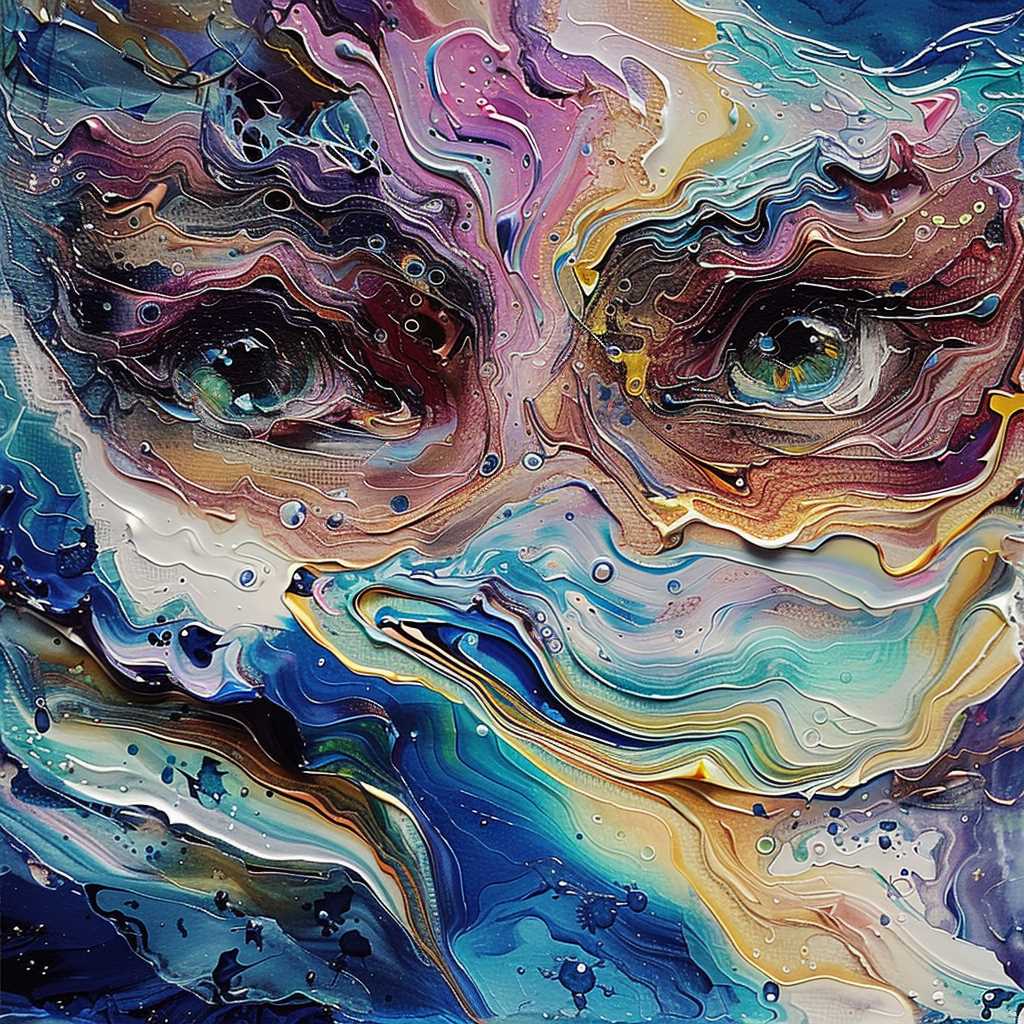
Where darkness was I look upon the light.
Welk persoon of welke situatie ontneemt je momenteel je vrede? Vul het hieronder in voor een persoonlijke reflectie op basis van deze les.
*ACIM Lesson 302*
“Where darkness was I look upon the light.”
The Core Teaching
This lesson is about a shift in vision—not physical sight, but the way the mind chooses to see. It tells us that wherever we think we see darkness—fear, guilt, conflict, loss—there is actually light. The darkness is not really there. It is a veil drawn by the ego, and the Holy Spirit’s function is to gently lift that veil.
What is the ego trying to hide?
The ego is the belief that you are separate—from God, from love, from others, and even from your own true Self. It is not a thing; it is a thought system built on fear and guilt. Its survival depends on convincing you that:
1. *You are guilty.*
That you have done something terribly wrong by “leaving” God, and now you deserve punishment.
2. *The world is dangerous.*
That you must be constantly on guard, defending yourself, attacking or withdrawing, judging and comparing.
3. *Darkness is real.*
That pain, loss, sickness, betrayal, and death are the ultimate truth about existence.
To keep these beliefs in place, the ego uses perception as its main tool. It tells you what to see and how to interpret it. If someone forgets to call you back, the ego says, “See? You’re not important.” If you make a mistake at work, the ego whispers, “You’re a failure.” If your body is sick, the ego insists, “You are this body, and you are vulnerable.”
The ego is trying to hide one simple, radiant fact:
**You remain as God created you—innocent, loved, and safe in His Mind.**
If this were fully recognized, the ego would disappear. So it covers this light with layers of interpretation, judgment, and fear. That is what ACIM calls “darkness.”
What is the Holy Spirit revealing?
The Holy Spirit is the Voice for God in your mind—the memory of truth that has never left you. Where the ego says, “Look at the darkness,” the Holy Spirit says, “Look again. This is not what you think.”
The Holy Spirit reveals that:
1. *Your innocence is untouched.*
No mistake, no past, no story has changed what you are in truth.
2. *Everyone shares this innocence.*
Even those who seem to hurt you are confused, not evil. They are calling for love or extending love—nothing else is ever really happening.
3. *The world you see is a projection.*
It is a reflection of the mind’s beliefs. When you change your mind, your experience of the world changes.
4. *Light is already present.*
You are not asked to create light or earn it. You are asked to recognize it where you once believed only darkness was possible.
So this lesson is not asking you to deny your feelings or pretend that pain is pleasant. It is inviting you to question the interpretation of what you see and feel. “Where darkness was I look upon the light” means:
“I am willing to see this differently. I am willing to see the light that must be here, even if I cannot yet perceive it.”
Applied to Daily Life
Let’s bring this down to very human situations.
1. Relationships
Suppose you are in a conflict with a partner, friend, or family member. You feel hurt, misunderstood, or angry. The ego says:
- “They don’t care about you.”
- “You must defend yourself.”
- “You are right; they are wrong.”
This is the darkness: a tight, painful sense of separation.
To apply the lesson, you might pause and say inwardly:
“Holy Spirit, where I see darkness in this relationship, help me look upon the light. Show me what is really true here.”
You might then realize:
- They are afraid, just as you are.
- Their harsh words were a defense, not an attack on your true Self.
- Your worth is not at stake in this argument.
You may still need to set boundaries or communicate clearly, but you do it from a softer place. The “light” appears as a moment of understanding, a willingness to forgive, or simply a lessening of tension in your own heart.
2. Work and Career
At work, you may feel pressure, competition, or fear of failure. The ego’s darkness sounds like:
- “If I lose this job, I lose my value.”
- “Others are threats to my success.”
- “I’m not good enough.”
To practice the lesson, you might sit quietly at your desk for a minute and say:
“Where darkness was I look upon the light. This situation is not what my fear says it is. Holy Spirit, show me the light here.”
The light may show up as:
- A reminder that your value is not determined by performance.
- A sense of calm that allows you to think more clearly.
- A new idea or solution that arises when you stop panicking.
The external situation may or may not change immediately, but your experience of it becomes less heavy, less personal, less threatening.
3. Illness and the Body
When the body is sick or in pain, the ego uses it as “proof” that you are weak and vulnerable. It says:
- “You are this body.”
- “You are at the mercy of forces beyond your control.”
- “You are being punished or abandoned.”
To apply this lesson, you do not deny the symptoms or pretend you feel fine. Instead, you gently remember:
“This body is not my Self. My true Self cannot be harmed. Where I see darkness in this illness, I am willing to look upon the light.”
You might notice:
- A softening of fear.
- A sense of being held and loved, even in pain.
- A willingness to be kind to yourself, rather than angry at your body.
The light here is the recognition that your identity is not in danger, even if the body is uncomfortable or limited. This inner shift can also open the mind to guidance about helpful, practical steps in caring for the body.
4. Anxiety and Daily Stress
With anxiety, the mind spins stories of worst-case scenarios. The ego’s darkness is a constant “what if”:
- “What if I fail?”
- “What if I lose everything?”
- “What if something terrible happens?”
To practice the lesson, you can pause and breathe, and say:
“I notice I am looking at darkness—at imagined disasters and fear. I am willing to look upon the light instead. Holy Spirit, show me what is true right now.”
You might notice:
- In this present moment, you are actually safe.
- Many of your fears are about a future that doesn’t exist yet.
- There is a small, quiet place in you that is not afraid.
The light is not always a big mystical experience. Often it is a simple, gentle sense of, “I can handle this moment. I am not alone.”
Overcoming Resistance
Why might this lesson be difficult?
1. *It seems to deny your experience.*
When you are in pain, hearing “There is only light” can feel invalidating. The Course is not saying your feelings are wrong; it is saying your interpretation of them is incomplete.
2. *You may fear losing your identity.*
If you have built a self-image around being the victim, the strong one, the sick one, the successful one, or the wounded one, then seeing light instead of darkness can feel like losing who you think you are.
3. *You may fear that forgiveness means letting others “off the hook.”*
The ego believes that if you see light in someone, you are saying their behavior was okay. The Holy Spirit is not asking you to deny behavior; He is asking you to see beyond it to the truth of the person.
4. *You may doubt that light is really there.*
“If there is light, why don’t I feel it?” This is a very honest question. The answer is: because the mind is still clinging to its own judgments. The willingness to question those judgments is what opens the door.
If you feel resistance, you can simply say:
“I am afraid of this lesson. I am afraid to let go of my way of seeing. Holy Spirit, help me be just a little willing to see differently.”
You are not asked to leap into perfect trust. You are asked for a little willingness.
Today’s Practice
Here is a simple way to practice Lesson 302 today.
1. Morning Quiet Time (5–10 minutes)
- Sit comfortably and close your eyes.
- Take a few slow breaths.
- Say slowly, with intention:
*“Where darkness was I look upon the light.”*
- Then add:
*“Holy Spirit, I am willing to see everything today through Your light, not my fear.”*
- Sit quietly for a few minutes. If dark thoughts arise, don’t fight them. Just notice them and gently repeat:
*“I choose to look upon the light instead.”*
2. During the Day – In Specific Situations
Whenever you feel upset, stressed, hurt, or anxious:
1. Pause, even for just a few seconds.
2. Silently say:
*“This is one of the places where I usually see darkness.”*
*“Where darkness was I look upon the light.”*
3. Ask:
*“Holy Spirit, what is the light here? How would You have me see this?”*
4. Be open to:
- A softer thought.
- A sense of calm.
- A new way of interpreting the situation.
You don’t have to “force” a new perception. Just be willing.
3. Evening Reflection
Before sleep, review your day gently:
- Where did you see darkness?
- Did you remember, even once, to ask to see the light?
- If you forgot, don’t judge yourself. Simply say:
*“I give all the dark places of today to You, Holy Spirit. Where darkness was, let me look upon the light, even now.”*
Then rest, knowing that the healing of your mind continues even as you sleep.
Comparable ACIM Lessons
Several lessons are closely related to Lesson 302:
- **Lesson 75: “The light has come.”**
This celebrates the same idea that light is already present, and we are simply accepting it.
- **Lesson 44: “God is the light in which I see.”**
This explains that true vision comes from God’s light, not from the body’s eyes.
- **Lesson 121: “Forgiveness is the key to happiness.”**
Forgiveness is the act of withdrawing the ego’s dark interpretations and allowing light to replace them.
- **Lesson 68: “Love holds no grievances.”**
Grievances are a form of darkness; releasing them allows light to be seen.
- **Lesson 132: “I loose the world from all I thought it was.”**
This is the same movement of letting go of the ego’s dark picture and allowing a new, light-filled perception.
All of these lessons work together to teach that the world you see is not fixed; it is a mirror of your mind. Change the mind, and the world you experience changes.
Closing Thought
You do not have to create the light. You only have to stop insisting on the darkness.
Today, let yourself be gently curious:
“What if there is light here, where I was so sure there was only pain?”
Even the smallest willingness to ask that question opens a window in the mind. Through that window, the light that has always been with you can begin to shine.