Knight of Pentacles
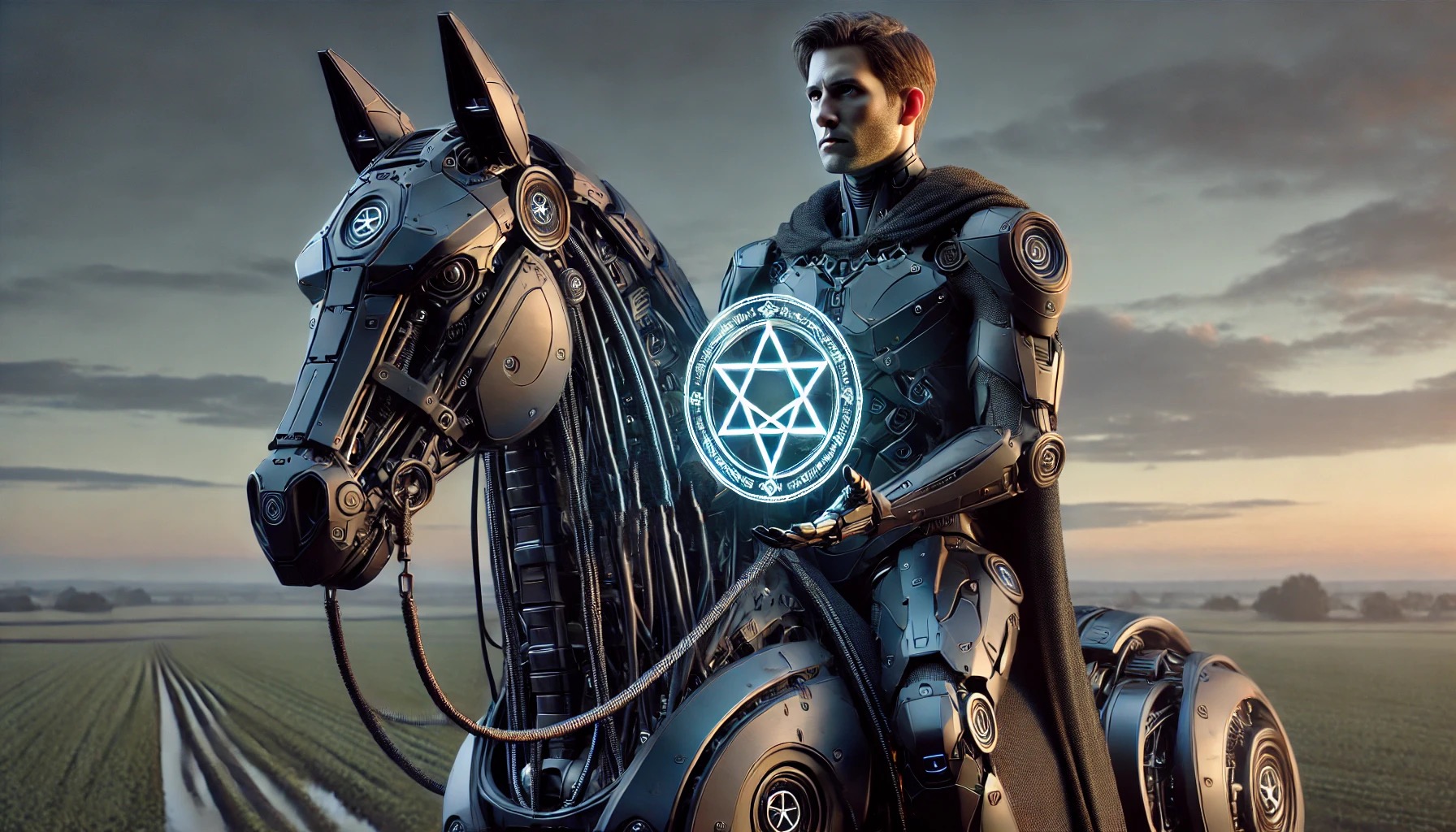
Archetype: The knight sits on a heavily built workhorse and holds a pentacle in his outstretched hands. He integrates what he has learned as a squire – the power of physical things to serve as spiritual tools. The Knight of Pentacles is focused on handling daily situations in spiritual ways – work, money, environment, and his physical health are all tools for his spiritual development. He strives to lead a spiritual life in the physical world.
Lesson: In the context of ACIM (A Course in Miracles), the Knight of Pentacles represents an individual who embodies the principles of spiritual growth through daily life experiences. He sits on a sturdy workhorse, symbolizing practicality and groundedness in the physical world. Holding a pentacle, he signifies the integration of material resources as spiritual tools, reflecting ACIM’s teaching that everything in the physical realm can be used for spiritual awakening. The Knight’s focus on handling daily situations spiritually encompasses work, finances, environment, and physical health. This aligns with ACIM’s emphasis on seeing all aspects of life as opportunities for spiritual growth and forgiveness. By applying spiritual principles to practical matters, the Knight seeks to live a spiritual life amidst everyday challenges. This resonates with ACIM’s teaching that our perception and interpretation of worldly events can either reinforce fear (ego) or reflect love (truth).
Reflection Questions:
Certainly. Here are reflection questions for exploring the meaning of the Knight of Pentacles, inspired by themes of A Course in Miracles:
1. Where in my life am I being called to bring steady dedication, and how can I offer this commitment with a spirit of gentleness rather than striving or anxiety?
2. How do I perceive my daily responsibilities: as burdens imposed by the ego, or as opportunities for love and forgiveness?
3. What fears or limiting beliefs surface when I consider showing up consistently in my tasks or relationships? Can I invite Spirit to help me see these differently?
4. In what ways does my ego voice try to convince me that I am alone or unsupported in my efforts? How might I remember the Presence of Love with me in each step?
5. If I notice impatience or frustration with apparent slowness or obstacles, can I pause and extend forgiveness—to myself, to others, or to the situation itself?
6. How might I shift my perception so that each practical action becomes an expression of inner peace rather than a means to control outcomes?
7. Am I willing to release the need for perfection, and instead honor the value in steady, loving progress?
8. Today, how can I choose to see my path through the eyes of Spirit—trusting that even the smallest, most mundane acts are opportunities for healing and return to peace?
May these questions guide you gently inward, toward the ever-present Love that leads you beyond fear.