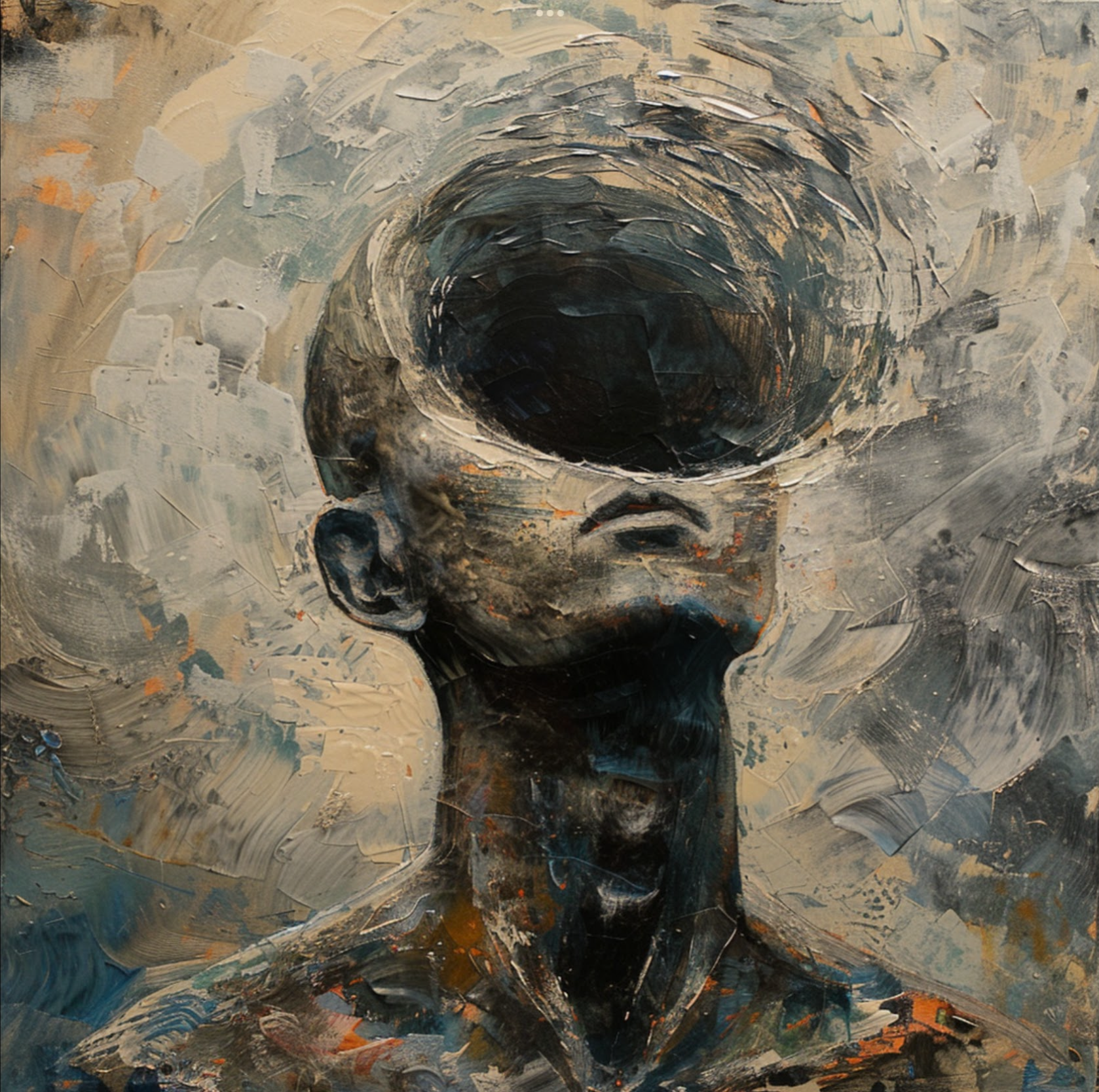
Only my condemnation injures me.
Welk persoon of welke situatie ontneemt je momenteel je vrede? Vul het hieronder in voor een persoonlijke reflectie op basis van deze les.
Lesson 198: “Only my condemnation injures me.”
The Core Teaching
This lesson is incredibly simple on the surface and profoundly radical underneath. It says that nothing outside you can truly hurt you. Only your own condemnation—your own decision to judge, to attack, to blame—can bring you pain.
The ego hears this and immediately protests: “That can’t be true. Look at what people do. Look at the world. Look at my body, my past, my traumas. Of course things outside me hurt me.”
But the Course is speaking at the level of mind, not at the level of appearances. It’s not denying that you seem to suffer here. It is gently pointing to the hidden cause of all suffering: the mind’s choice to condemn.
What is the ego trying to hide?
The ego’s survival depends on one central idea: “I am a victim of the world I see.”
It must convince you that:
- You are at the mercy of other people’s actions.
- You are at the mercy of your body and its conditions.
- You are at the mercy of the past and what “really happened.”
- You are at the mercy of an unfair world and even an unfair God.
Why? Because if you believe you are a victim, you will not look within to find the power of your mind. You will not notice that you are the one giving everything you see all the meaning that it has for you. You will not notice that your pain is coming from your own interpretation, your own judgment, your own decision to condemn.
The ego is trying to hide this:
*You are not the victim of the world you see. You are the maker of your experience of it.*
If you discovered this fully, the ego’s entire thought system of blame, guilt, and fear would collapse. You would no longer need it. You would remember that your mind is joined with God, and that in this shared Mind there is no condemnation at all.
What is the Holy Spirit revealing?
The Holy Spirit speaks for a different thought system. It reveals that:
- You are innocent, because you remain as God created you.
- Everyone else is innocent in truth, no matter what the ego’s story says.
- Pain comes from the decision to see guilt, and peace comes from the decision to see innocence.
- Nothing outside you has the power to take away your peace; only your own choice to condemn can do that.
“Only my condemnation injures me” means:
- When I condemn myself, I suffer.
- When I condemn another, I suffer.
- When I condemn the world, I suffer.
- When I condemn God, I suffer.
And the reverse is also true:
- When I forgive, I am healed.
- When I release others, I release myself.
- When I stop attacking, I stop being attacked—because attack was only ever in my own mind.
The Holy Spirit is revealing that your mind is not a passive victim but an active chooser. Every moment, you are choosing between condemnation and forgiveness, between the ego’s story and God’s truth. Your experience of the world follows that choice.
Applied to Daily Life
Let’s bring this down to very ordinary situations.
Relationships
You feel hurt by a partner, friend, or family member. They said something sharp. They forgot you. They betrayed your trust.
The ego says:
“They injured me. My pain is because of what they did.”
This lesson says:
“The pain I feel is coming from my own condemnation:
- my decision to see them as guilty,
- my decision to see myself as a victim,
- my decision to hold onto the story of attack.”
This does not mean the behavior was loving or okay. It means that your inner suffering is not caused by the behavior itself, but by the meaning your mind is giving it and the judgment you are maintaining.
Forgiveness here would sound like:
“I am willing to see this differently. Holy Spirit, show me where I am condemning. Show me how to release this. Only my condemnation injures me, and I am willing not to be injured.”
You may still set boundaries, speak honestly, or even leave a situation. But you can do it from peace instead of from attack. The outer form may look similar; the inner content is completely different.
Work
You feel mistreated at work: underpaid, unappreciated, criticized, or ignored.
The ego says:
“This company is hurting me. My boss is hurting me. The system is hurting me.”
This lesson says:
“The suffering I feel is coming from my own internal attack:
- my self-judgment (‘I’m not good enough’),
- my judgment of others (‘They’re unfair, they’re wrong’),
- my belief in lack and competition.”
Again, this doesn’t mean you must stay where you are or never ask for change. It means that the injury you feel is not from the situation, but from the condemnation you are holding in your mind.
From this new place, you might still ask for a raise, look for a new job, or have a clear conversation. But you do it from a mind that is not condemning, and therefore not injured.
Illness
When the body is sick or in pain, the ego quickly says:
“This is proof I am vulnerable and weak. My body is betraying me. Life is unfair.”
This lesson invites a different view:
“The body’s condition is not what injures me. What injures me is my condemnation:
- my anger at my body,
- my fear and self-attack,
- my belief that I am guilty and deserve suffering.”
The Course never asks you to deny symptoms or avoid practical care. It asks you to notice that the real suffering is mental: the fear, the guilt, the story of victimhood. You can receive treatment and at the same time practice:
“Only my condemnation injures me. I will not add mental attack to physical discomfort. I choose to let my mind be healed.”
Anxiety and Daily Stress
You feel anxious about money, the future, your children, your safety.
The ego says:
“The world is dangerous and uncertain. My anxiety is justified.”
This lesson says:
“The anxiety comes from my condemnation:
- my belief that I am separate from God,
- my belief that I am on my own,
- my belief that I am guilty and must fear punishment.”
Underneath all specific fears is the core ego fear: “I have separated from God and I will be punished for it.” Every worry about the future is a disguised version of this.
When you remember, “Only my condemnation injures me,” you are saying:
“I am willing to stop attacking myself with these fearful stories. I am willing to remember I am still held in God.”
Overcoming Resistance
This lesson can feel threatening. Some common reactions:
- “So you’re saying it’s my fault? That I’m to blame for my pain?”
No. The Course never teaches blame. It teaches responsibility without guilt. It says: You are not bad; you are powerful. You are not being accused; you are being reminded that you are the decision-maker, not the victim.
- “But what about real injustice and abuse?”
The Course never asks you to call illusions ‘good’ or to stay in harmful situations. It asks you to recognize that the inner injury comes from holding onto condemnation. You can protect the body and still forgive in your mind. You can say “no” on the level of form while saying “yes” to healing on the level of content.
- “If I stop condemning, won’t I be weak or passive?”
Actually, condemnation weakens you. It fills your mind with fear, anger, and confusion. Forgiveness strengthens you, because it aligns you with the power of love. From that place, your actions can be clearer, firmer, and more truly helpful.
It is normal to feel resistance. You are being asked to release a very old identity: the identity of the victim. The ego believes that without this identity, you will be nothing. The Holy Spirit gently assures you that without this identity, you will be everything—as God created you.
Today’s Practice
Here is a simple way to practice Lesson 198 today.
1. Morning Quiet Time
Set aside 10–15 minutes if you can.
1. Sit comfortably and close your eyes.
2. Take a few slow breaths, just to settle.
3. Gently repeat to yourself:
“Only my condemnation injures me.
Only my forgiveness sets me free.”
4. Let the words sink in. Don’t force meaning; just let them wash through your mind.
5. Ask inwardly: “Holy Spirit, show me where I am condemning today.”
- Let any person, situation, or memory arise.
- As each one appears, say silently:
“I release you from my condemnation.
I release myself with you.
Only my condemnation injures me,
and I choose not to be injured.”
If you feel resistance, just notice it and say:
“I am willing to be willing. Help me.”
2. During the Day
Use the idea as a gentle correction whenever you feel upset:
- When someone annoys or hurts you:
“Only my condemnation injures me. I choose peace instead of this.”
- When you judge yourself:
“Only my condemnation injures me. I will not attack myself today.”
- When anxiety rises:
“Only my condemnation injures me. I let go of the story of fear.”
You don’t have to feel perfect peace immediately. Just keep turning your mind in this direction. Each repetition is a small opening for the Holy Spirit to enter.
3. Evening Reflection
Before sleep, take a few minutes:
1. Recall any moments of upset during the day.
2. For each one, say:
“I thought I was injured by this.
But only my condemnation injures me.
I place this situation in Your hands, Holy Spirit.
Correct my perception and heal my mind.”
Then rest. You have given the day back to Love.
Comparable ACIM Lessons
This lesson is closely connected to several others:
- **Lesson 31: “I am not the victim of the world I see.”**
Both lessons undo the victim identity and restore your awareness of choice.
- **Lesson 68: “Love holds no grievances.”**
A grievance is condemnation. To hold a grievance is to injure yourself.
- **Lesson 135: “If I defend myself I am attacked.”**
Defense is a form of condemnation; it assumes attack is real and thus keeps it in your mind.
- **Lesson 190: “I choose the joy of God instead of pain.”**
Pain is the result of choosing condemnation; joy is the result of choosing forgiveness.
- **Lesson 196: “It can be but myself I crucify.”**
This is almost the same idea as Lesson 198: all attack returns to the mind that sends it.
Together, these lessons form a single message:
You are not a powerless victim. You are the holy Son of God, and your mind is the place where salvation happens.
Closing Thought
You do not have to master this idea today. You are only asked to be a little more willing to see that your peace does not depend on the world, but on your choice to condemn or to forgive.
Let today be a gentle experiment:
“What if nothing outside me can truly injure me?
What if only my condemnation hurts me—
and what if I can let that go, even a little?”
In that small willingness, the Holy Spirit can do everything.